This article explores the essential aspects of in-patient rehabilitation, including what to expect, how it benefits patients, and the importance of support systems during recovery. In-patient rehab centers are designed to provide a structured environment that aids in overcoming addiction or other health issues. These centers offer numerous benefits ranging from medical support to community interactions, all aimed at helping individuals rebuild their lives. Importantly, a strong support system is crucial during recovery, as it can significantly impact the success of rehabilitation.
Understanding these elements can prepare patients and their loved ones for the journey ahead.
What Can I Expect During My Stay in In-Patient Rehab?
When entering an in-patient rehab facility, one can expect a highly structured daily routine, which is essential in promoting discipline among patients. These routines typically include pre-scheduled meals, therapies, and recreation time, designed to create a sense of stability. One can also expect a thorough initial assessment upon arrival to tailor a personalized care plan that aligns with specific recovery needs. Treatment plans commonly encompass a mix of group and individual therapy sessions aimed at addressing both direct symptoms and underlying issues. The environment within these centers is uniquely supportive, aimed at instilling positive changes in behavior and mindset, crucial for achieving long-term recovery goals.
Another aspect to expect is the presence of medical professionals who provide constant care and supervision, which is particularly important in monitoring detox processes. Medical staff are equipped to manage withdrawal symptoms and provide medication when necessary to ease the process. Counseling services play a pivotal role, helping individuals confront mental health challenges such as anxiety or depression that often accompany addiction. In-patient rehabs often have strict rules and policies to ensure safety and focus, prohibiting contraband to prevent relapse and promote a healing atmosphere. Meals, activities, and therapies are carefully structured to support a health-centric lifestyle, contributing to both physical and mental well-being.
How Does In-Patient Rehab Differ From Out-Patient Rehab?
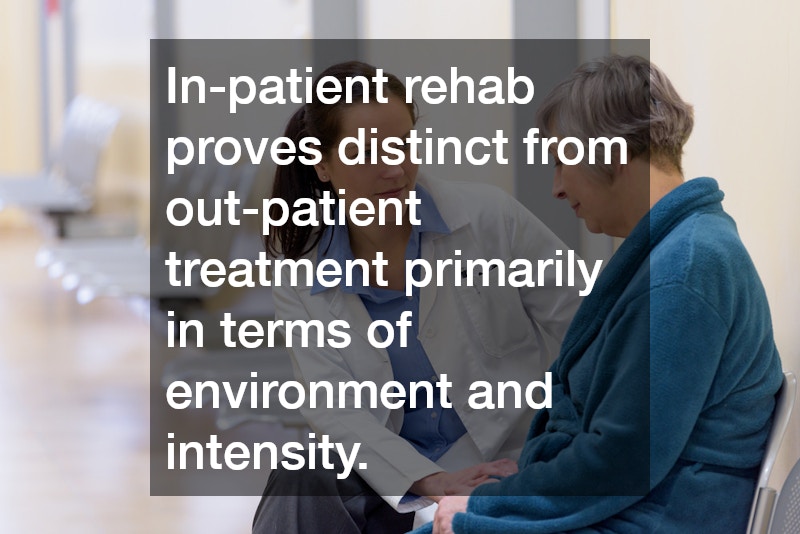
In-patient rehab proves distinct from out-patient treatment primarily in terms of environment and intensity. Individuals live on-site in a facility, allowing them to immerse fully in the recovery process without the usual distractions of everyday life. This residential setting permits round-the-clock medical care, a critical factor for those needing assistance with withdrawal management or co-occurring mental health disorders. Out-patient rehab, on the other hand, allows individuals to commute to therapy sessions and maintain some routine aspects of their daily life. While this offers flexibility, it also requires a strong personal commitment and support system to ensure sustained recovery efforts outside the facility.
The comprehensive nature of in-patient care often includes a broader range of therapeutic options compared to out-patient settings. In-patient rehab typically allows access to various therapies, such as cognitive-behavioral therapy, dialectical behavior therapy, and holistic practices like yoga and meditation. These approaches work in tandem to address both psychological and physical dependency issues. Conversely, out-patient programs generally focus on counseling and support groups due to time constraints and resource availability. Patients entering an in-patient facility often receive more personalized attention, consistent monitoring, and greater opportunities for introspection and healing.
What Aftercare Options Are Available Following In-Patient Rehab?
After completing in-patient rehab, numerous aftercare options are crucial to maintaining the momentum of recovery. One of the most common pathways is enrolling in an outpatient program, which allows for continued therapy while adjusting back to daily life responsibilities. Participation in support groups such as Alcoholics Anonymous (AA) or Narcotics Anonymous (NA) provides ongoing peer support and accountability. Continued counseling can offer tailored guidance to navigate post-rehab challenges, helping patients develop coping strategies for triggers and stressors. To prevent relapse, structured aftercare plans are essential, as they provide a roadmap for incorporating recovery practices into daily life.
Long-term sober living arrangements, often referred to as halfway houses, serve as supportive environments for individuals seeking gradual reentry into society. These settings emphasize independence while maintaining a drug-free living situation, often including house rules and curfews that promote responsibility and routine. Some individuals choose to engage in continuing education, skill-building activities, or career counseling offered by many rehab centers to enhance personal growth and employment opportunities post-rehab. Keeping connected with therapists and recovery coaches can provide vital guidance and reinforcement of the strategies learned in rehab. Emphasizing a supportive network of family and friends willing to aid in the recovery journey is also critical.
In-patient rehab can be a transformative experience for many individuals. Understanding what to expect, the differences between rehabilitation options, and the importance of aftercare can help patients navigate their recovery journey effectively. Whether through the support of a structured residential environment or continued outpatient services, the path to recovery requires a personalized approach. The success stories of countless individuals testify to the program’s efficacy and the power of resilience and commitment in overcoming addiction or health challenges. Equally important is fostering a long-term commitment to sobriety through comprehensive aftercare, ensuring sustained recovery and personal growth.