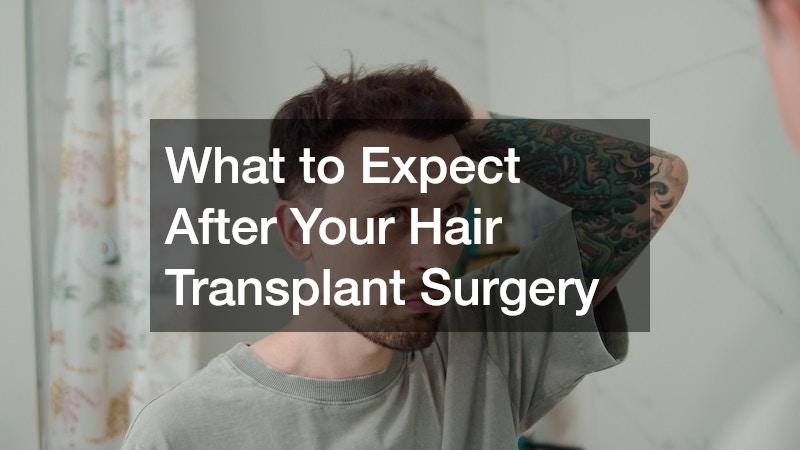
Hair transplant surgery is a popular solution for those experiencing hair loss, offering renewed confidence and a restored hairline. Understanding what to expect after the procedure is crucial for a smooth recovery and optimal results.
What is the Recovery Timeline After Hair Transplant Surgery?
In the immediate days following hair transplant surgery, patients can expect some swelling and minor discomfort. Bandages are typically applied to protect the grafts and reduce swelling, which generally subsides within the first week.
It’s crucial to follow your surgeon’s post-operative care instructions for bandage management and avoiding vigorous activities. Mild pain and itchiness in the donor and recipient areas are common and can be managed with prescribed medications.
The initial recovery phase is vital to the success of the transplant, with most patients able to resume daily activities after a few days. However, the transplanted area requires gentle handling to prevent any displacement of grafts.
Long-Term Recovery
Long-term recovery involves monitoring the stages of hair growth, as newly transplanted hair typically falls out within two to three weeks before new growth begins. This is a normal part of the process known as “shock loss,” with new hair expected to appear over the following months.
Patients usually start seeing significant hair growth within four to six months, with full results visible after about a year. Consistent follow-ups with your hair transplant team ensure any concerns are addressed promptly.
Adopting a healthy lifestyle and maintaining a balanced diet can support hair growth and overall scalp health. Patients are encouraged to remain patient and realistic about their recovery timeline and results.
How to Care for Your Scalp After the Procedure?
Post-operative scalp care includes gentle cleansing with mild shampoo and avoiding harsh hair products. Follow your surgeon’s recommendations for washing your hair and keeping the scalp clean and free of infection.
Avoiding styling tools and harsh treatments, such as coloring, helps protect new grafts during the crucial early months. It’s recommended to let hair air dry instead of using heat styling tools.
Implementing a scalp care routine that includes moisturizing the area can also help in reducing itchiness and irritation. Simple changes in hair care habits significantly contribute to the longevity of transplant results.
Warning Signs to Monitor
Monitoring for signs of infection, such as redness, increased pain, or pus discharge, is crucial after surgery. Promptly reporting any unusual symptoms to your healthcare provider ensures timely intervention if necessary.
Unusual discomfort or continued swelling can indicate potential complications that require professional assessment. Regular check-ins with your surgeon can prevent and address any emerging concerns swiftly.
Adhering strictly to prescribed medications and care routines helps minimize the risk of complications. Patients should remain vigilant and proactive about their scalp health during recovery.
When Can Normal Activities Be Resumed?
It’s important to gradually return to physical activities, allowing a minimum of five to seven days of rest before engaging in light exercises. Vigorous exercises, sports, or activities that may lead to sweating should be postponed until two to four weeks post-surgery.
Listening to your body and consulting with your healthcare provider about specific activities enhances recovery. Resuming physical exercise should be a well-considered decision, with personal limits respected.
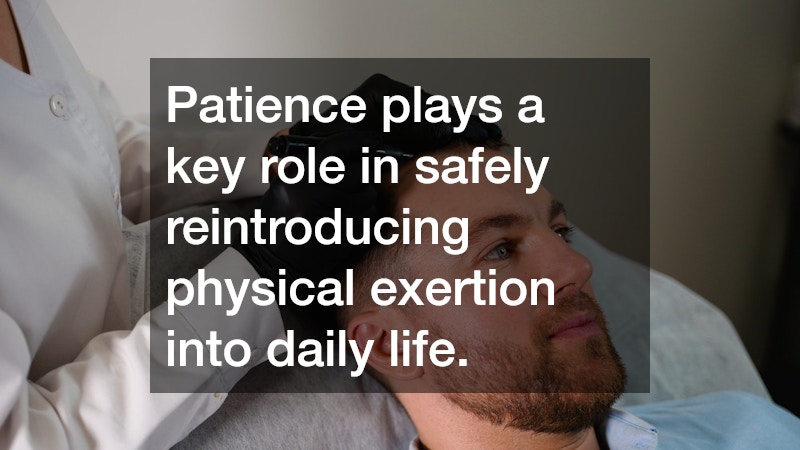
Prioritizing comfort and healing ensures that you regain strength without jeopardizing the newly transplanted hair. Patience plays a key role in safely reintroducing physical exertion into daily life.
Returning to Work and Social Activities
Returning to work generally is feasible after one to two weeks, depending on your recovery and initial post-operative period comfort. Patients often feel self-conscious about temporary appearance changes but are reassured by the expected progress in hair growth.
Social activities can be re-engaged alongside work, with cosmetic camouflage options available to address appearance concerns. Transparent communication with close peers about the healing journey aids in a smoother transition.
Remaining realistic about the temporary nature of any social limitations fosters a positive mental outlook during recovery. Encouragement and support from loved ones play an integral role in adjusting to post-surgery life.
Preparation for life after hair transplant surgery involves understanding the recovery stages and setting realistic expectations. With adequate care and patience, the journey to a fuller head of hair is an achievable and rewarding experience.
