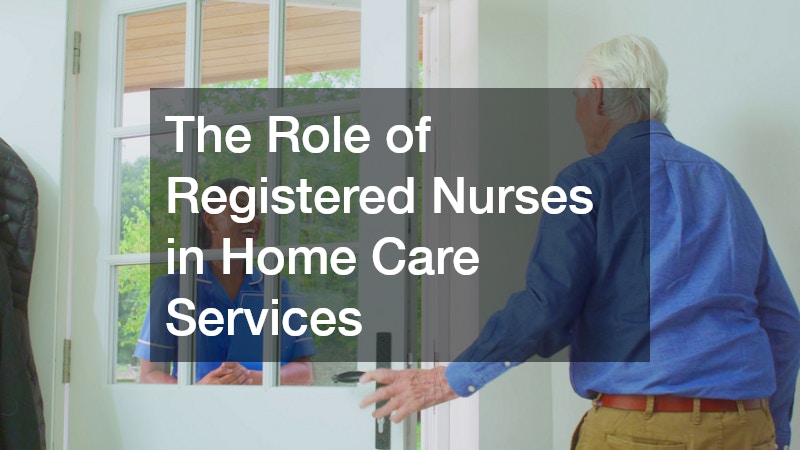
In the evolving healthcare landscape, registered nurses (RNs) play a critical role in home care services, extending professional medical support into the community. They ensure patients receive personalized treatment within comfortable home settings, focusing on both immediate health needs and long-term well-being.
This article discusses how RNs significantly contribute to home healthcare, their qualifications, and the benefits their services offer to patients and families.
How do registered nurses contribute to patient care in home services?
Providing Medical Assistance
RNs are essential in providing medical assistance in home care settings. They administer medications, ensure patients adhere to prescribed regimens, monitor vital signs, and detect any health status changes. This oversight helps prevent complications and reduces emergency interventions. RNs link patients with necessary healthcare resources and perform assessments that guide individualized care plans, contributing to enhanced patient satisfaction and safety.
They facilitate communication between healthcare providers, ensuring coordinated care. Education on lifestyle modifications and preventive healthcare promotes disease prevention and management, reducing unnecessary hospital readmissions through proactive measures.
Personalized Care Plans
RNs develop personalized care plans starting with comprehensive assessments of patients’ health status and specific requirements. Collaborating with families, they design strategies addressing current health issues and anticipating future needs. This proactive planning is vital in managing chronic illnesses and improving patient outcomes. Evidence-based practices ensure effective care, and continuous evaluation helps meet evolving health targets.
By incorporating flexibility and assessing patients’ unique circumstances, RNs ensure respectful, culturally sensitive care, fostering a collaborative environment and enhancing patient autonomy in health management.
Patient and Family Education
Education is crucial, with RNs explaining medical conditions and care techniques to patients and families, enhancing engagement in health management. Educated families are equipped to make informed decisions and recognize early health changes needing attention. RNs emphasize preventive care through dietary advice and safety strategies, preparing families for emergencies and supporting mental resilience.
Education covers stress management and promotes family support networks. This ongoing process improves care adherence, reduces anxiety, and enhances life quality.
What qualifications are required for registered nurses to work in home care?
Licensure and Certification
RNs must obtain appropriate licensure by completing an accredited nursing program and passing the NCLEX-RN. Additional certifications, like Certified Home Health Nurse (CHHN), indicate advanced expertise. These credentials validate RNs’ skills and knowledge, vital for addressing home care challenges with tailored solutions for patient populations.
Continuing education ensures RNs stay current with healthcare advancements, enhancing their ability to deliver quality home care.
Experience and Skills
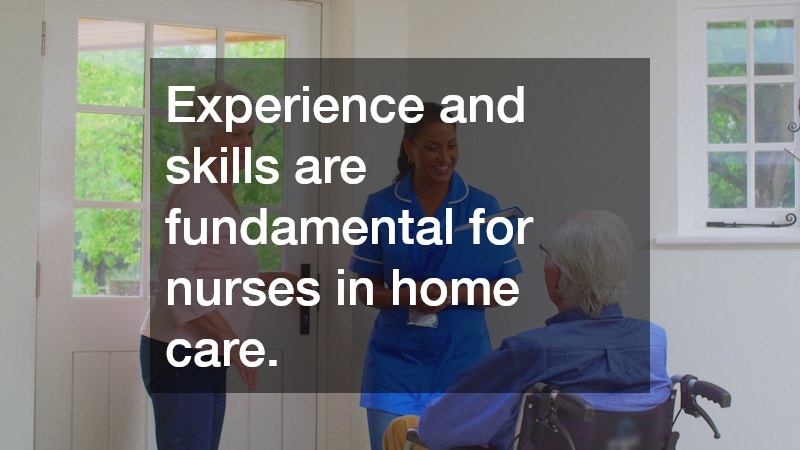
Experience and skills are fundamental for nurses in home care. Hospital or clinic experience enriches their ability to handle complex scenarios. Effective communication with patients and healthcare teams is vital for establishing trust. Patient-centered care encourages active health management involvement.
RNs’ specialized skills in medical technology and patient education enable high-quality care, adapting interventions to home environments, enhancing satisfaction and care quality.
Continuing Education
Continuing education helps RNs remain competent with healthcare developments, meeting home-based patients’ needs. Engagement in workshops and courses enhances clinical and communication skills. Clinical and cultural competence ensures holistic care, underlining RNs’ excellence, commitment, and responsiveness to healthcare challenges.
Such education supports career advancement and personal growth, contributing to community-based healthcare quality improvement.
What are the benefits of home care services provided by registered nurses?
Enhanced Comfort and Convenience
Home care offers enhanced comfort and convenience, with patients receiving care in familiar surroundings that reduce stress and anxiety. RNs’ personalized care fits seamlessly into patients’ routines, providing security and minimizing lifestyle disruptions.
This convenience aids those with mobility issues or chronic conditions, supporting independence, ensuring continuity of care, and allowing direct family involvement in the healthcare journey, strengthening support networks.
Cost-Effectiveness
Home care services are cost-effective, allowing patients to avoid hospital stays and associated expenses. RNs’ individualized care and preventive strategies mitigate complications and hospital readmissions. This affordability increases access to health services for financially constrained families.
RNs focus on education and preventive practices, empowering patients to manage health independently, reducing healthcare expenses, and improving sustainability.
Fostering Independence
Home care services foster independence by empowering patients to participate actively in their care, enhancing control and confidence. RNs’ guidance supports self-management for chronic conditions, facilitating autonomy.
They advocate for patient-centered care collaboration, enhancing health, maintaining familiar routines, and improving life satisfaction. RNs aid caregivers, introducing strategies for daily living activity optimization, promoting independence, and preserving dignity.
RNs are pivotal in home care services, offering medical expertise and personalized support, enhancing care quality and accessibility. By delivering medical assistance, personalized plans, and education, RNs empower patients and families, improving outcomes and promoting independence. Their qualifications and commitment to education ensure they lead home care excellence. As home care demand grows, RNs’ roles become vital, linking patient-centered and community-based health solutions.