Wound care has evolved significantly with advancements in medical technology, offering more effective ways to support the body’s natural healing processes. Among these innovations, negative pressure wound therapy has become a widely used approach for managing complex or slow-healing wounds. It is designed to assist in promoting tissue recovery by creating a controlled environment that encourages better circulation and fluid removal.
This method is often used in both clinical and post-surgical settings, especially for individuals dealing with chronic wounds, injuries, or complications that require enhanced care. By maintaining a sealed environment over the wound and applying controlled suction, the therapy helps optimize conditions for healing.
Understanding how this approach works and why it is effective can provide valuable insight into modern wound management practices and recovery support strategies.
Understanding the Basics of Advanced Wound Care
Wound healing is a complex biological process that involves multiple stages, including inflammation, tissue formation, and remodeling. In some cases, the body may struggle to progress through these stages efficiently due to factors such as poor circulation, infection, or underlying health conditions. Advanced wound care techniques are designed to address these challenges and support the body’s natural repair mechanisms.
One of the key principles behind modern wound care is maintaining a clean, moist environment while minimizing contamination and excess fluid buildup. Traditional dressings may not always provide the level of control needed for more complicated wounds. As a result, more specialized methods have been developed to improve healing outcomes. These approaches focus on enhancing oxygen delivery, reducing swelling, and promoting the formation of healthy tissue.
In this context, negative pressure wound therapy plays a significant role by creating an environment that actively supports these biological processes. Rather than relying solely on passive dressing changes, it introduces a controlled system that interacts with the wound to improve overall healing conditions.
How the Therapy Works in Practice
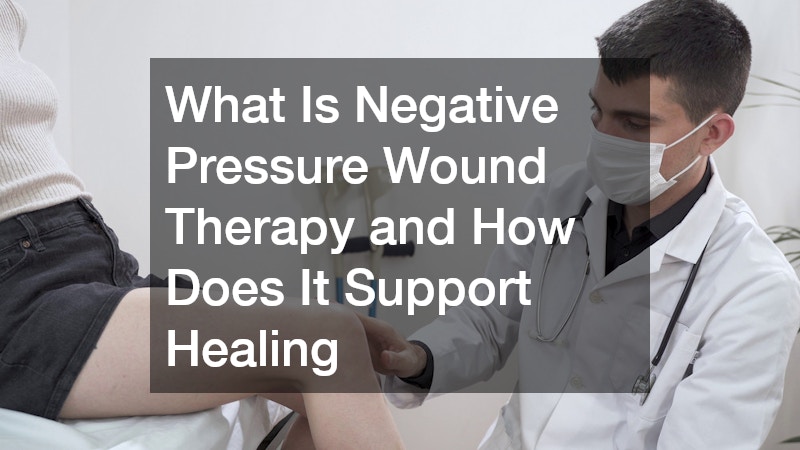
The process involves placing a specialized dressing over the wound, which is then sealed with an adhesive film. A tube connects the dressing to a vacuum pump that applies controlled suction. This suction helps remove excess fluids, including exudate and infectious materials, from the wound site.
By continuously or intermittently applying negative pressure, the system helps reduce swelling and improve blood flow to the affected area. Increased circulation delivers essential nutrients and oxygen, both of which are critical for tissue repair and regeneration. The sealed environment also helps protect the wound from external contaminants, reducing the risk of infection.
Another important aspect is the way the therapy encourages the formation of granulation tissue. This type of tissue is essential for wound closure, as it forms the foundation upon which new skin can develop. The mechanical forces generated by the suction may also stimulate cellular activity, further contributing to the healing process.
Healthcare providers typically adjust the pressure settings based on the patient’s condition and the type of wound being treated. Monitoring and regular dressing changes are necessary to ensure that the system continues to function effectively and safely throughout the treatment period.
Benefits of Controlled Suction in Healing
One of the primary advantages of this method is its ability to improve circulation around the wound site. Enhanced blood flow supports the delivery of oxygen and nutrients, which are essential for cellular repair. This improved environment can help accelerate the healing process and reduce recovery time in many cases.
Another benefit is the reduction of edema, or swelling, which can interfere with tissue repair. By removing excess fluid, the therapy helps relieve pressure on surrounding tissues and allows for better nutrient exchange. This contributes to a more favorable healing environment overall.
In addition, the sealed system helps maintain a consistent level of moisture, which is important for proper wound healing. A balanced moisture level prevents the wound from drying out while also avoiding excessive wetness, both of which can hinder recovery. The protective barrier also helps shield the wound from external contaminants, lowering the risk of infection.
Patient comfort and convenience are also important considerations. While the system requires proper setup and monitoring, it can reduce the frequency of dressing changes compared to traditional methods. This can lead to improved compliance with treatment plans and a more manageable care routine for both patients and caregivers.
Advanced wound care techniques have transformed the way complex wounds are managed, offering more effective solutions for supporting recovery. By creating a controlled environment that enhances circulation, manages fluid levels, and protects against infection, modern therapies provide valuable assistance in the healing process.
Through its ability to promote tissue growth and maintain optimal conditions, negative pressure wound therapy has become an important tool in both clinical and recovery settings. Its structured approach allows healthcare providers to address challenges associated with difficult-to-heal wounds while supporting the body’s natural repair mechanisms.
When used appropriately and under professional guidance, this method can contribute to improved healing outcomes and greater consistency in wound management. As part of a comprehensive care plan, it represents a meaningful advancement in how wounds are treated and how recovery is supported over time.