Home care is vital in modern healthcare, especially as populations age and chronic conditions rise. It provides personalized, professional support at home instead of hospitals, enhancing quality of life and independence. This patient-centered, adaptable approach has revolutionized care delivery.
What Is Home Care?
Definition of Home Care
Home care refers to a range of supportive and medical services provided in a person’s home to help them manage illness, recover from injury, or cope with aging. It is designed to promote safety, comfort, and independence while addressing physical, emotional, and social needs.
Types of Home Care Services
Home care services can vary widely depending on the individual’s needs. Common types include:
- Personal care assistance: Help with daily activities such as bathing, dressing, grooming, and meal preparation.
- Companion care: Social interaction, conversation, and assistance with errands or appointments.
- Skilled nursing care: Medical services provided by licensed nurses, including wound care, medication management, and monitoring vital signs.
- Therapy services: Physical, occupational, or speech therapy delivered at home.
- Specialized care: Support for individuals with conditions such as dementia, disabilities, or chronic illnesses.
The Importance of Home Care
Home care plays a vital role in reducing hospital readmissions, supporting recovery, and improving overall well-being. It bridges the gap between hospital treatment and independent living, ensuring continuity of care and reducing strain on healthcare facilities.
How Home Care Differs from Other Care Settings
Unlike hospitals or nursing homes, home care is delivered in a familiar environment. This setting often leads to lower stress levels, more personalized attention, and greater involvement from family members. Care plans are tailored specifically to the individual, rather than following a standardized institutional routine.
The Role of Caregivers in Home Care
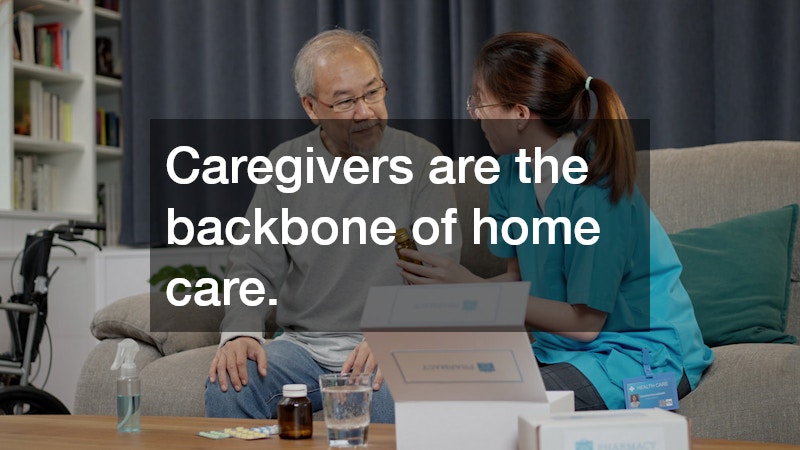
Caregivers are the backbone of home care. They provide hands-on assistance, emotional support, and consistent monitoring. Their role may include coordinating with medical professionals, managing medications, and offering companionship. Strong communication skills, empathy, and reliability are essential qualities in effective caregivers.
How to Choose a Home Care Provider?
Selecting the right home care provider is crucial to ensuring quality care.
Qualifications and Experience
Look for agencies or caregivers with proper licensing, certifications, and relevant experience. Skilled services should be delivered by licensed healthcare professionals when required.
Services Offered
Ensure the provider offers the specific services needed, whether personal care, medical support, therapy, or specialized care for certain conditions.
Cost and Insurance Coverage
Understand the costs involved and determine what is covered by insurance, government programs, or private payment options. Clear communication about fees and billing practices helps avoid misunderstandings.
Recommendations and Reviews
Seek recommendations from healthcare professionals, friends, or family members. Online reviews and testimonials can also provide insight into a provider’s reputation and reliability.
What Are the Benefits of Home Care?
Personalized Care and Attention
Home care is tailored to the individual, allowing for focused attention and flexible scheduling. This personalized approach often leads to better outcomes and greater satisfaction.
Comfort and Familiarity of Home
Being at home provides emotional comfort and stability. Familiar surroundings can be especially beneficial for individuals with memory-related conditions.
Safety and Health Monitoring
Regular monitoring helps detect changes in health early, potentially preventing complications. Caregivers can ensure medication adherence and reduce fall risks through supervision and home adjustments.
Enhanced Independence
Home care encourages individuals to remain active and involved in their daily routines. Rather than taking over tasks entirely, caregivers often support clients in doing as much as they can independently.
What Challenges Might Arise with Home Care?
Managing Costs and Resources
Home care can be costly, particularly for long-term needs. Budget planning and exploring financial assistance options are important steps.
Finding the Right Caregiver
Compatibility between caregiver and client is essential. It may take time to find someone whose personality and skills are a good match.
Ensuring Consistent Quality of Care
Regular evaluations and open communication help maintain high standards of care and address concerns promptly.
How to Set Up Home Care?
Assessing Care Needs
Begin by evaluating the individual’s medical, physical, and emotional needs. Consulting healthcare professionals can provide valuable guidance.
Planning the Care Environment
Make necessary home modifications to enhance safety, such as installing grab bars, improving lighting, or rearranging furniture to reduce fall risks.
Coordinating with Health Professionals
Home care provides a compassionate and personalized alternative to institutional care, enhancing comfort and independence in a familiar environment. Despite challenges like cost and coordination, careful planning and thoughtful provider selection can lead to successful outcomes. For those seeking professional support while enjoying home comfort, home care is a valuable option.